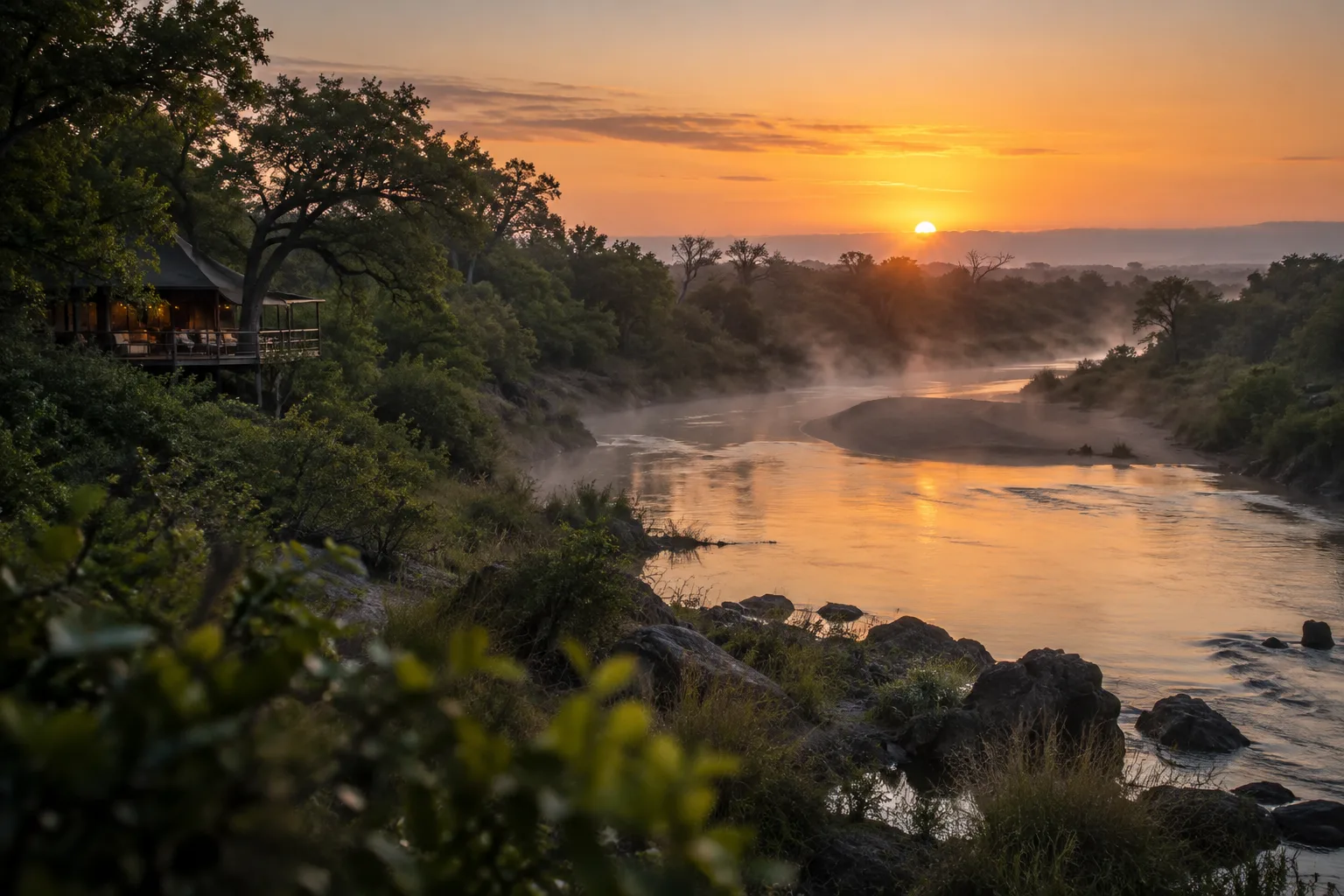
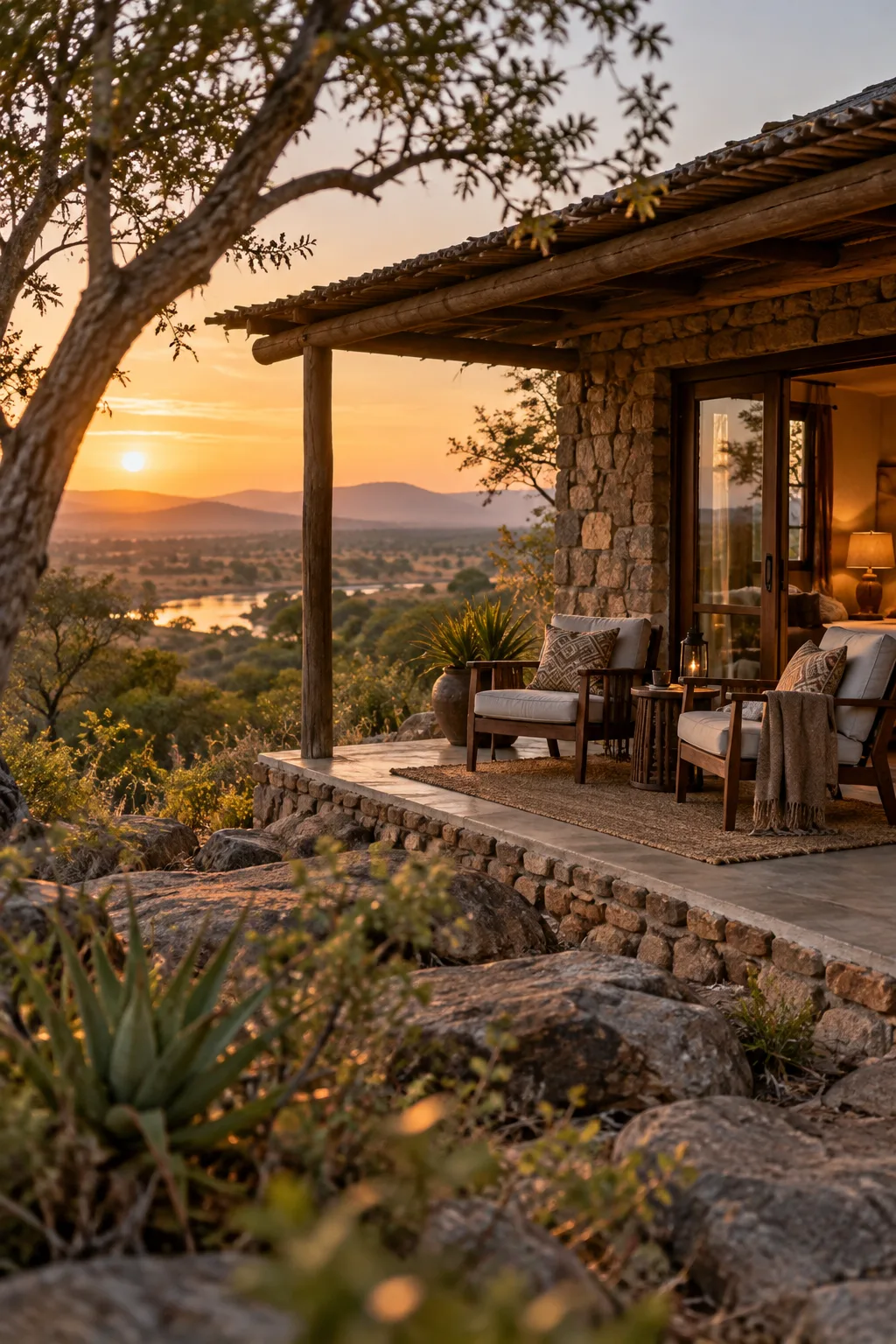
Six lodges and camps on twenty kilometres of the Nhlaru, kept wild by the people who live beside it.

Where the river slows

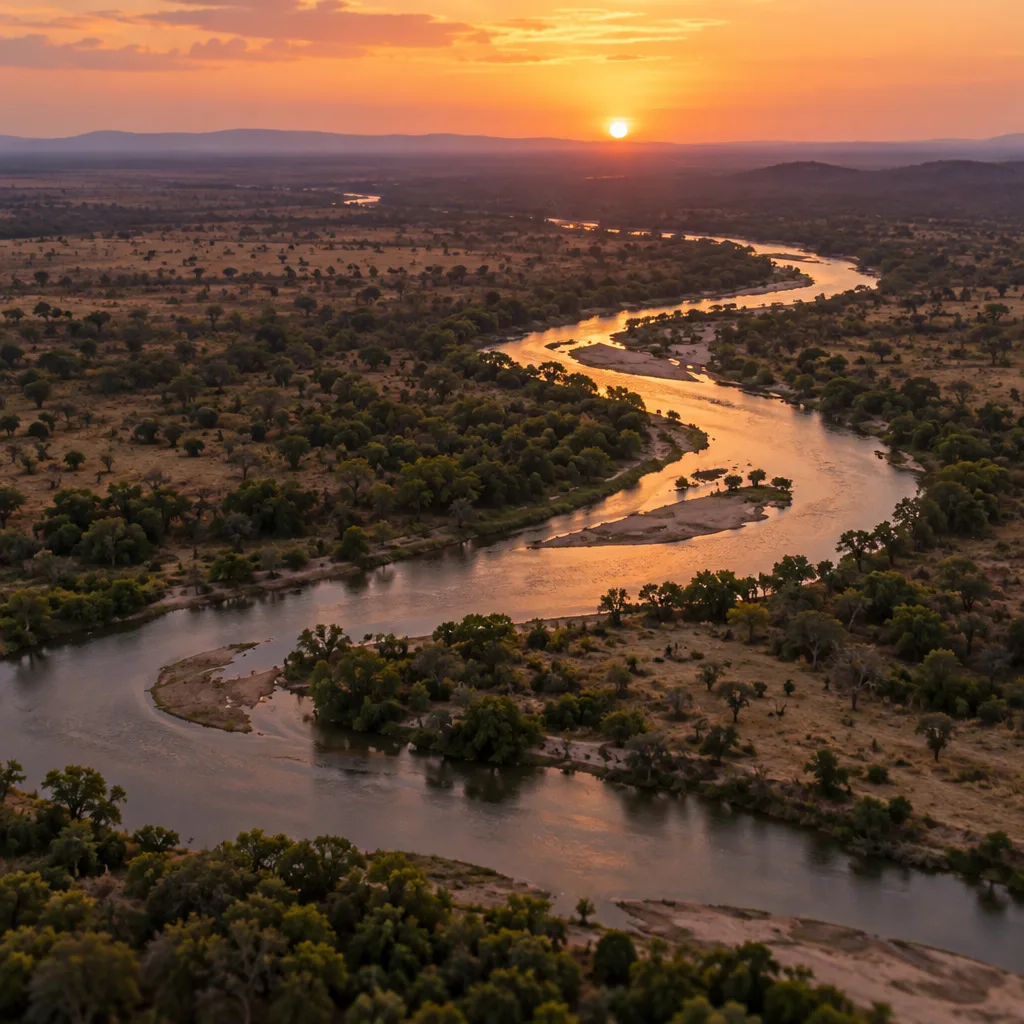
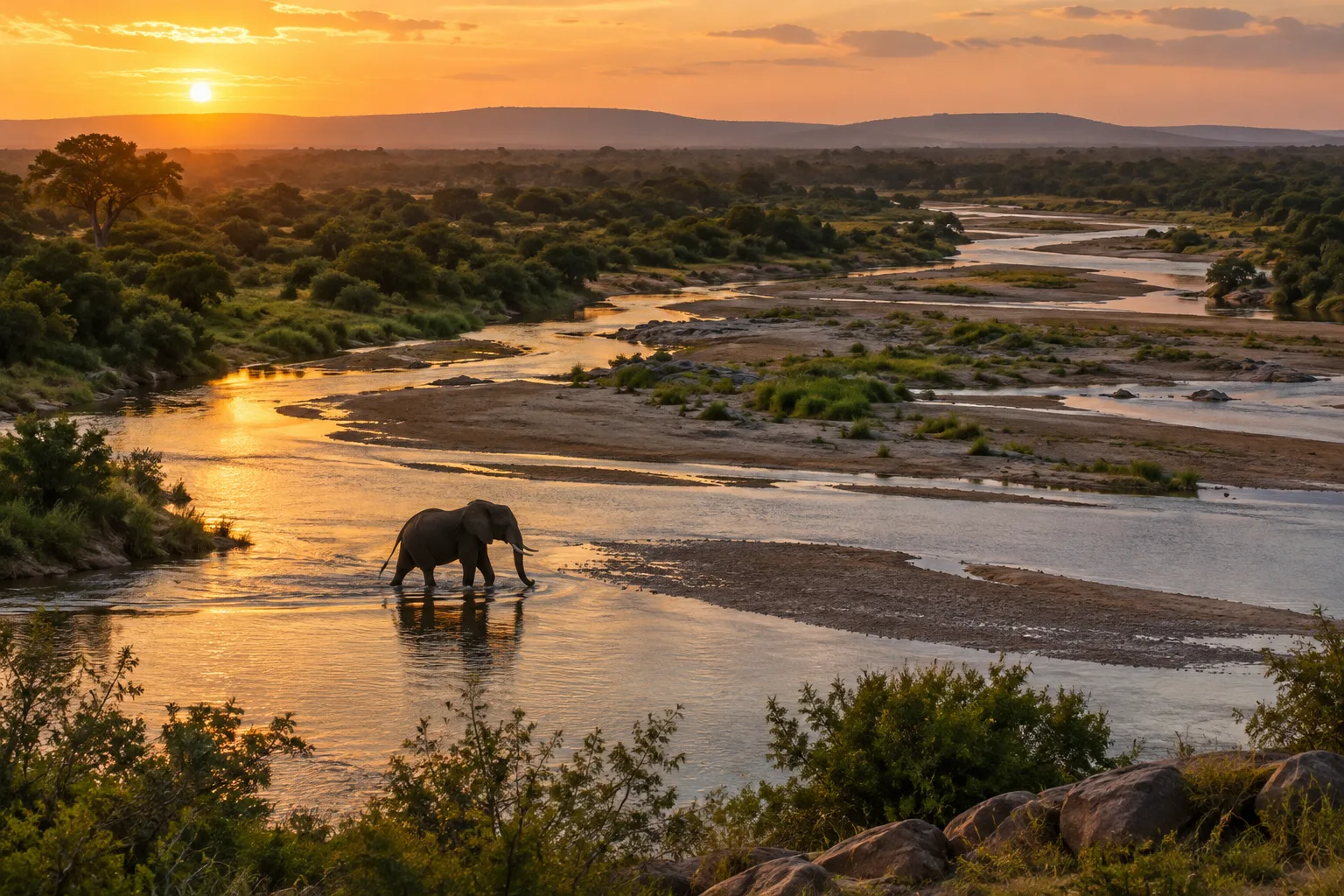
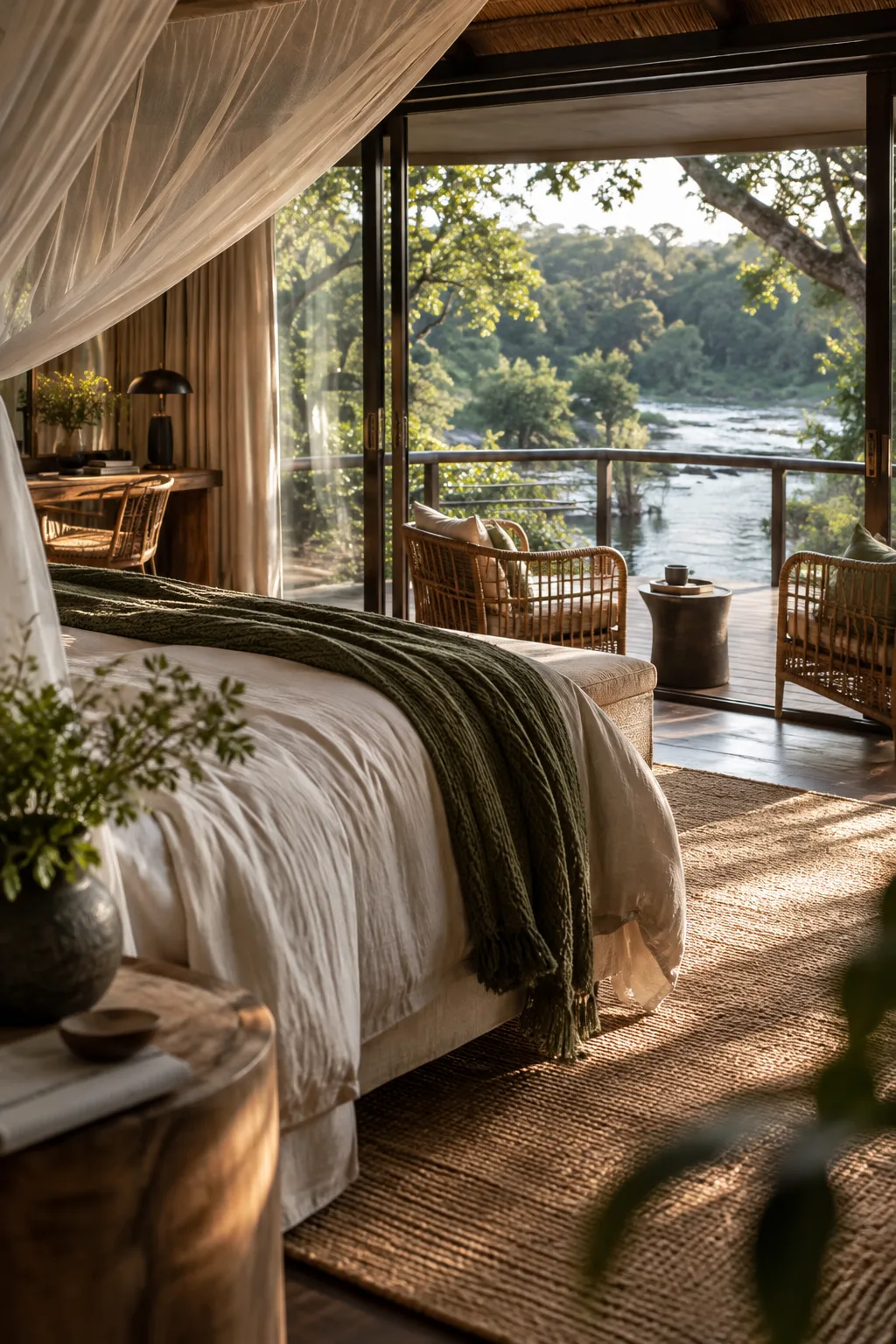
Where the Nhlaru bends and the bush grows thick, six places to stay share one stretch of river: three lodges on the bank and three small camps further in. The families who have lived beside this land for generations look after it, and every season adds a little more to that work.

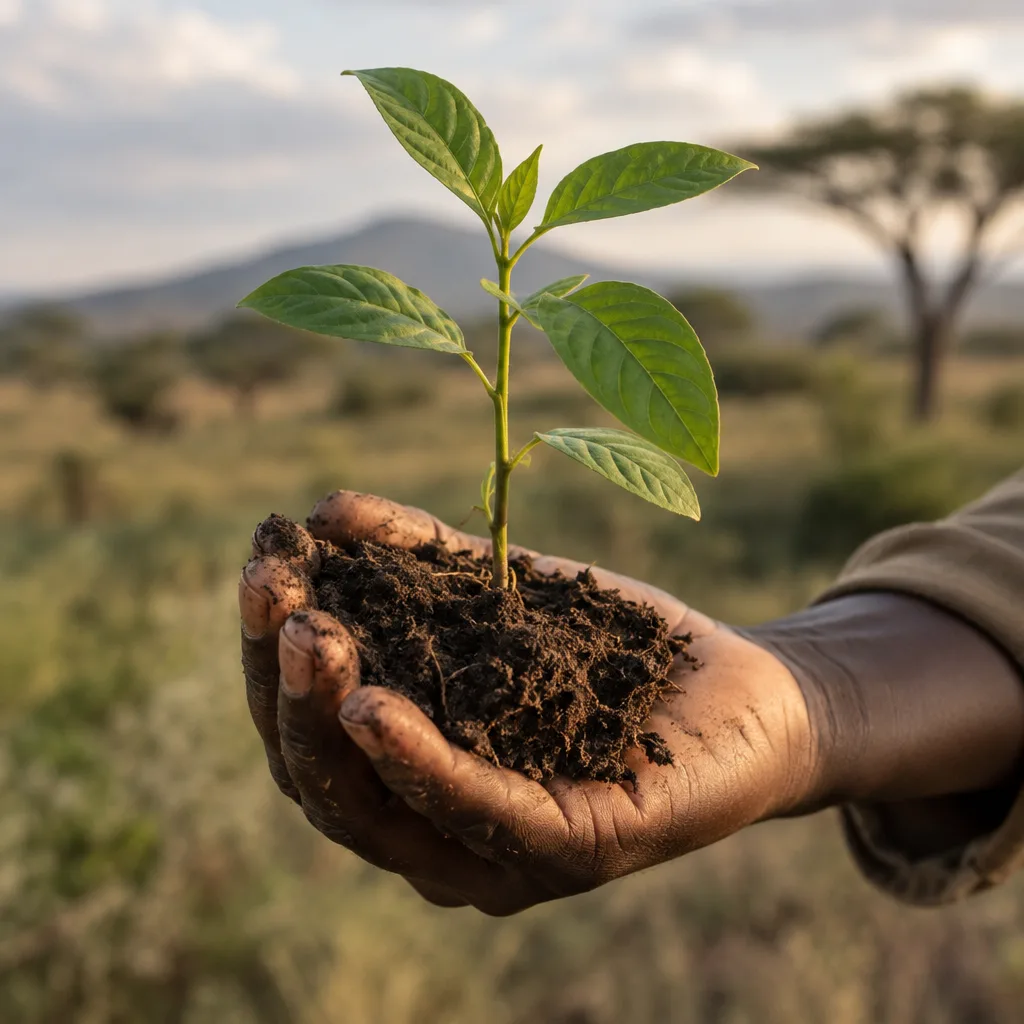
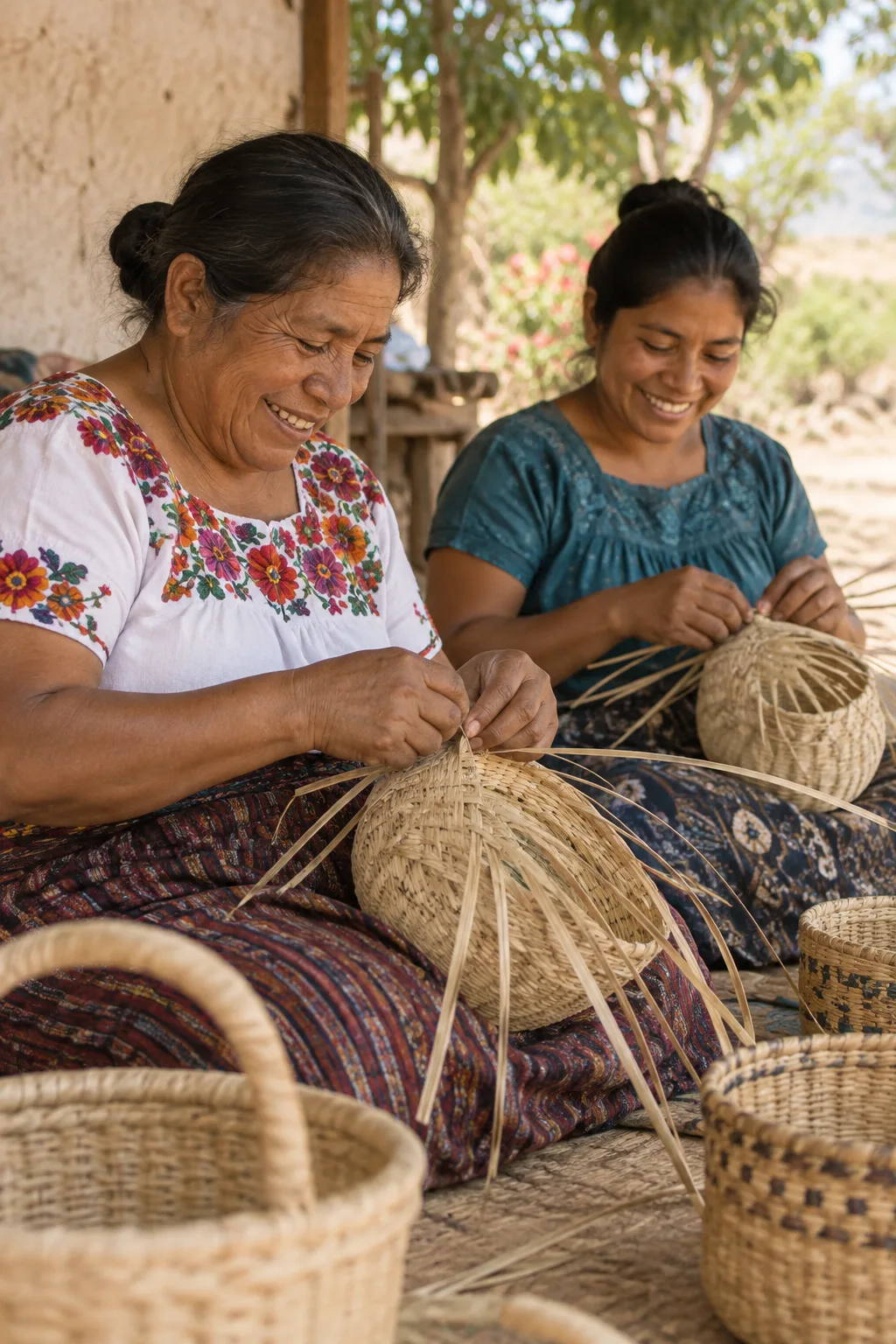
We believe a wild place lasts only when its neighbours share in it. Every stay here funds the clinic, the school bus and the rangers who walk the river at dawn.

Where to stay

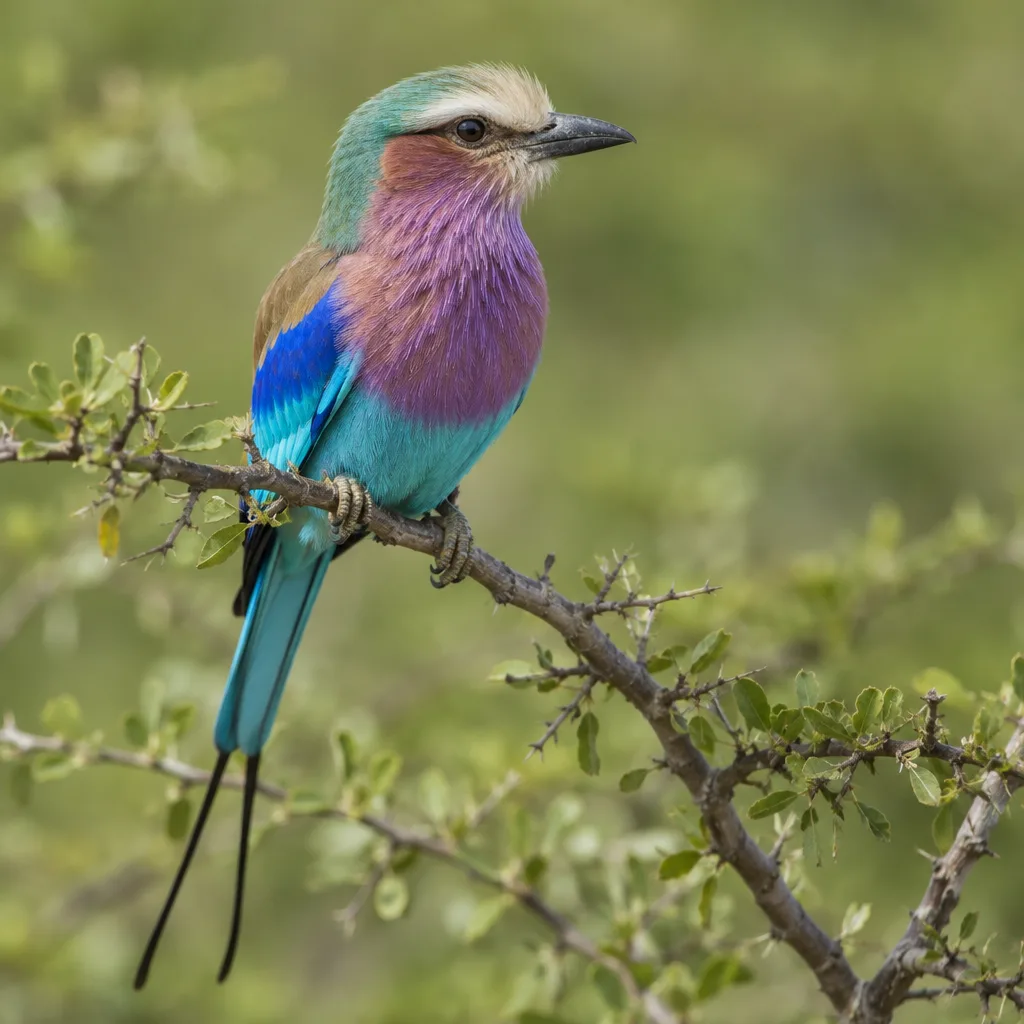
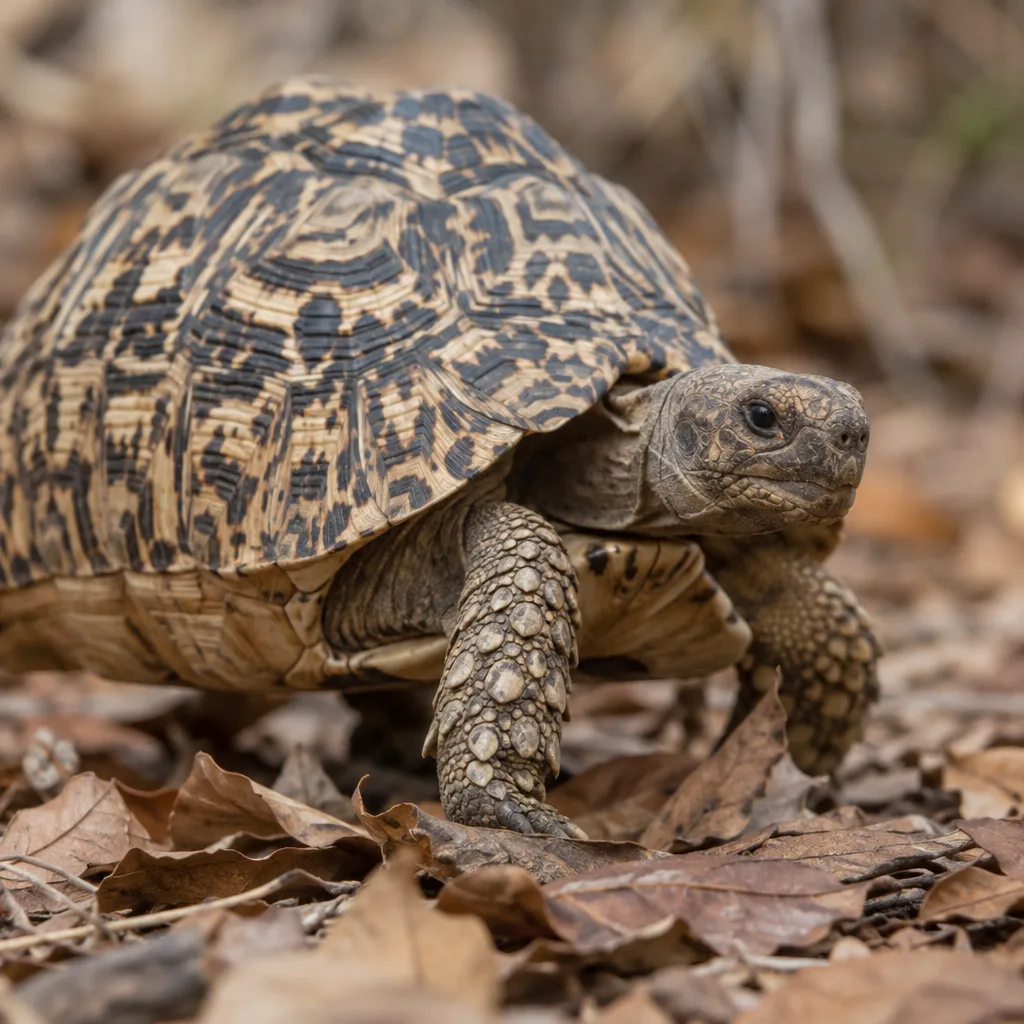
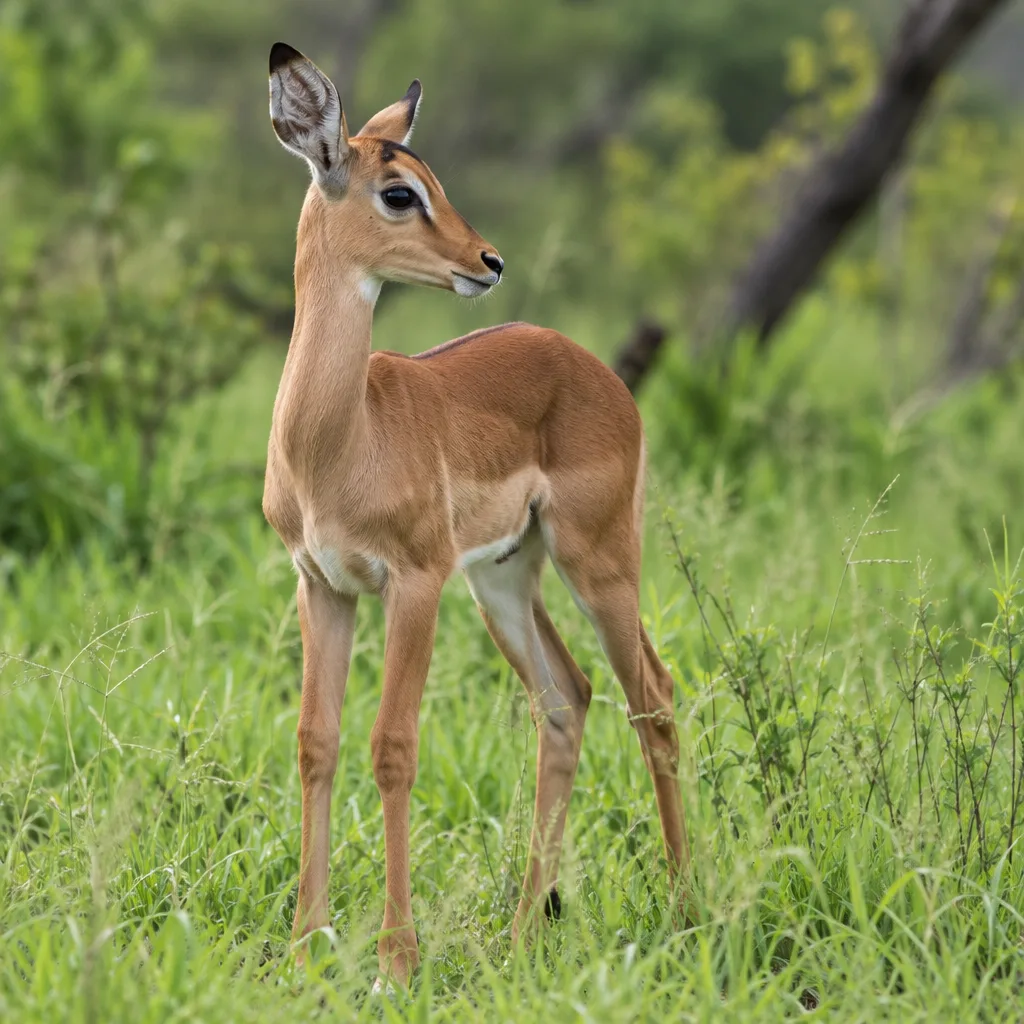
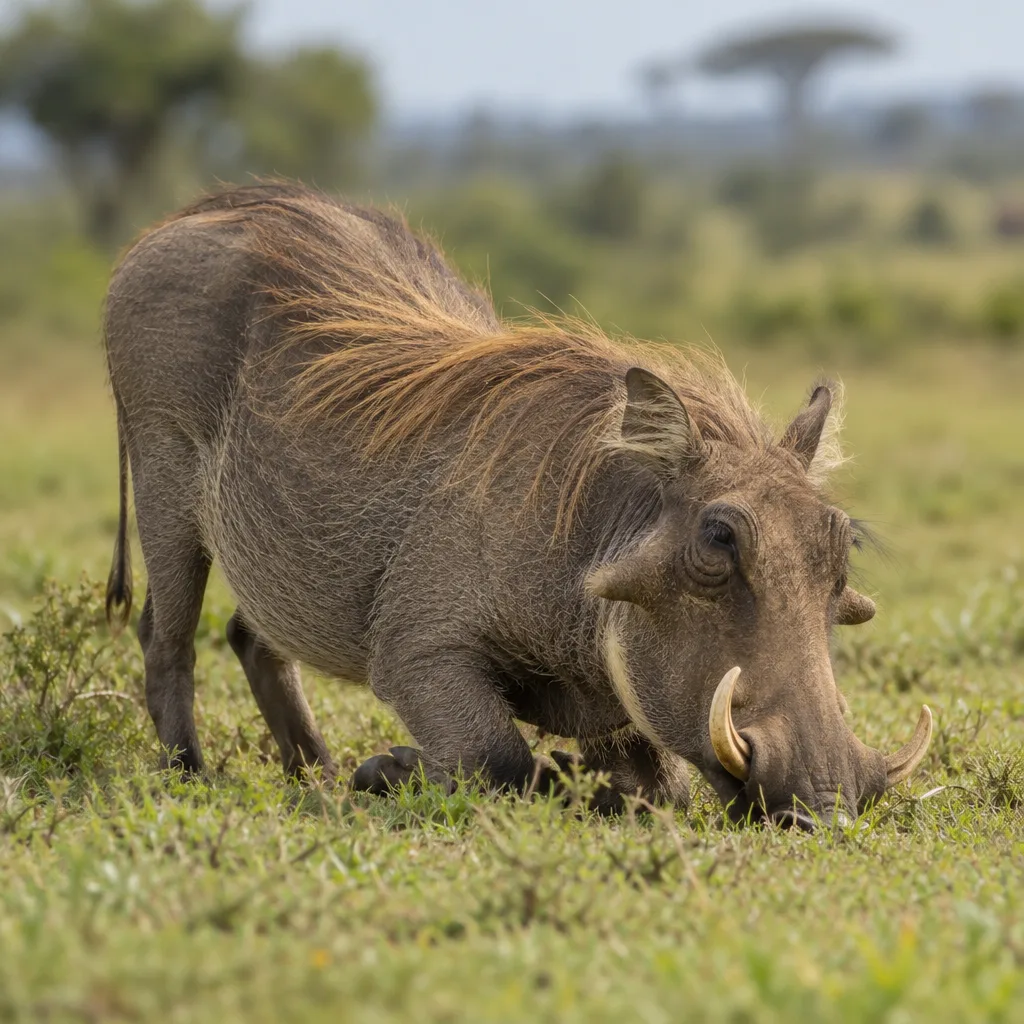
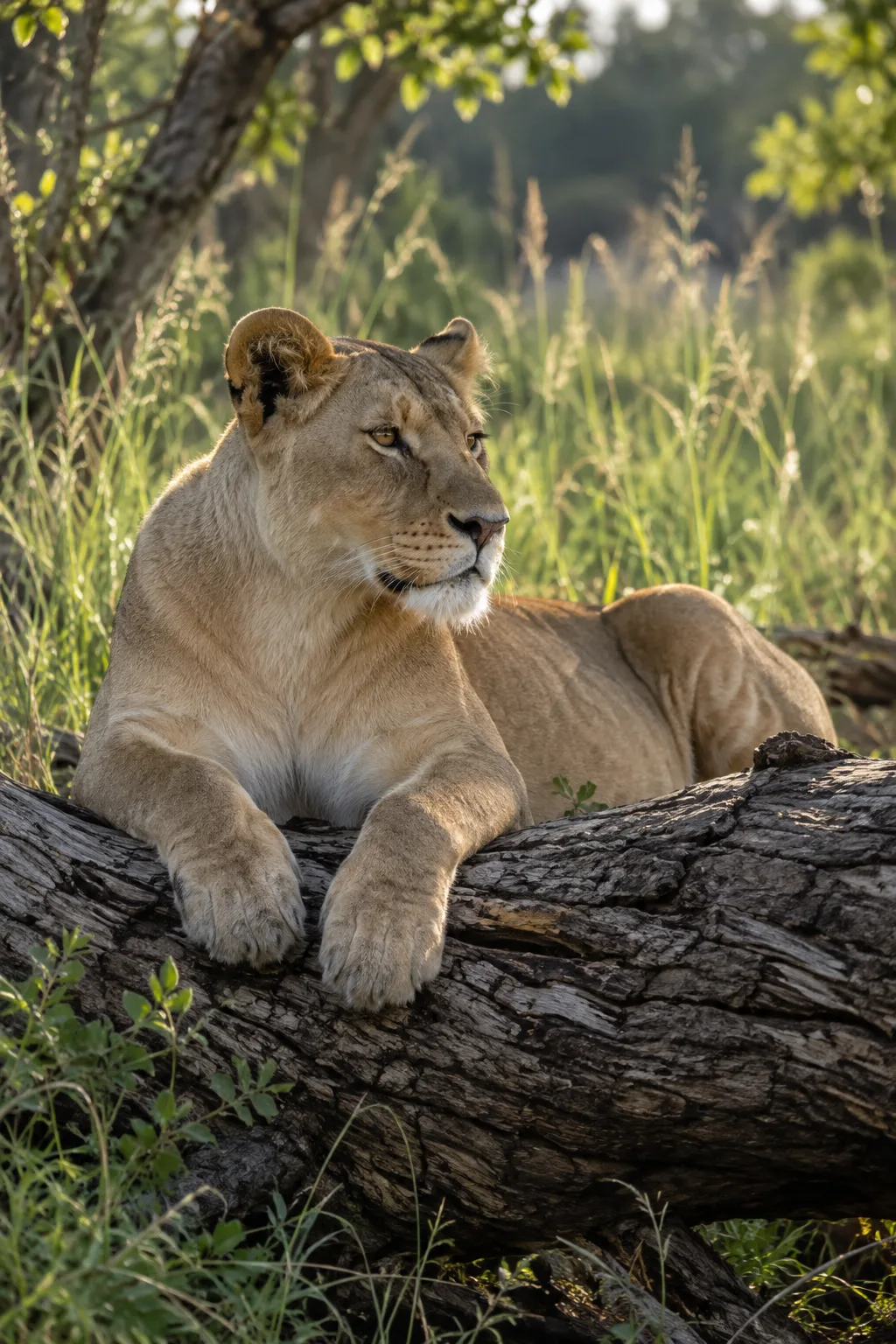
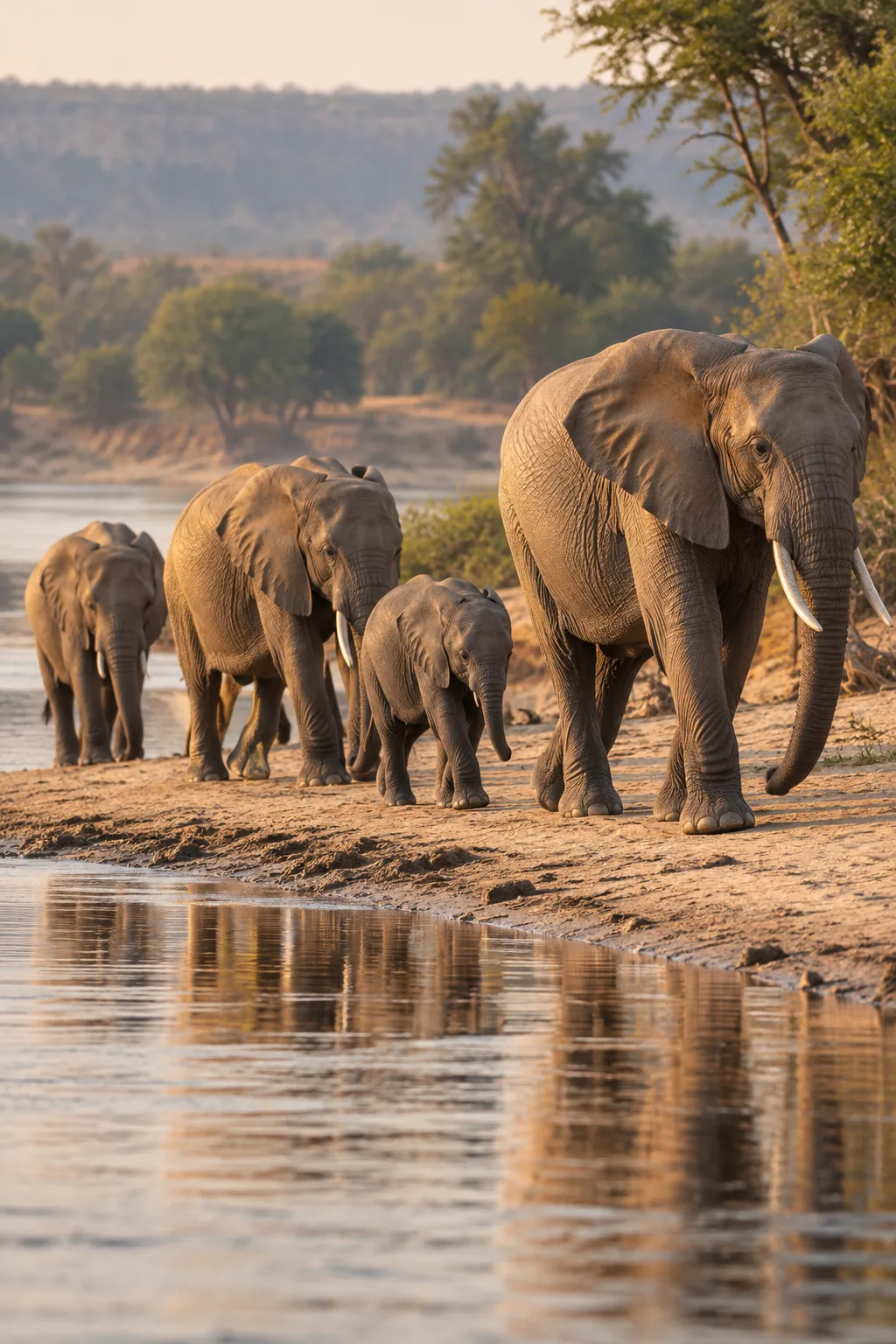
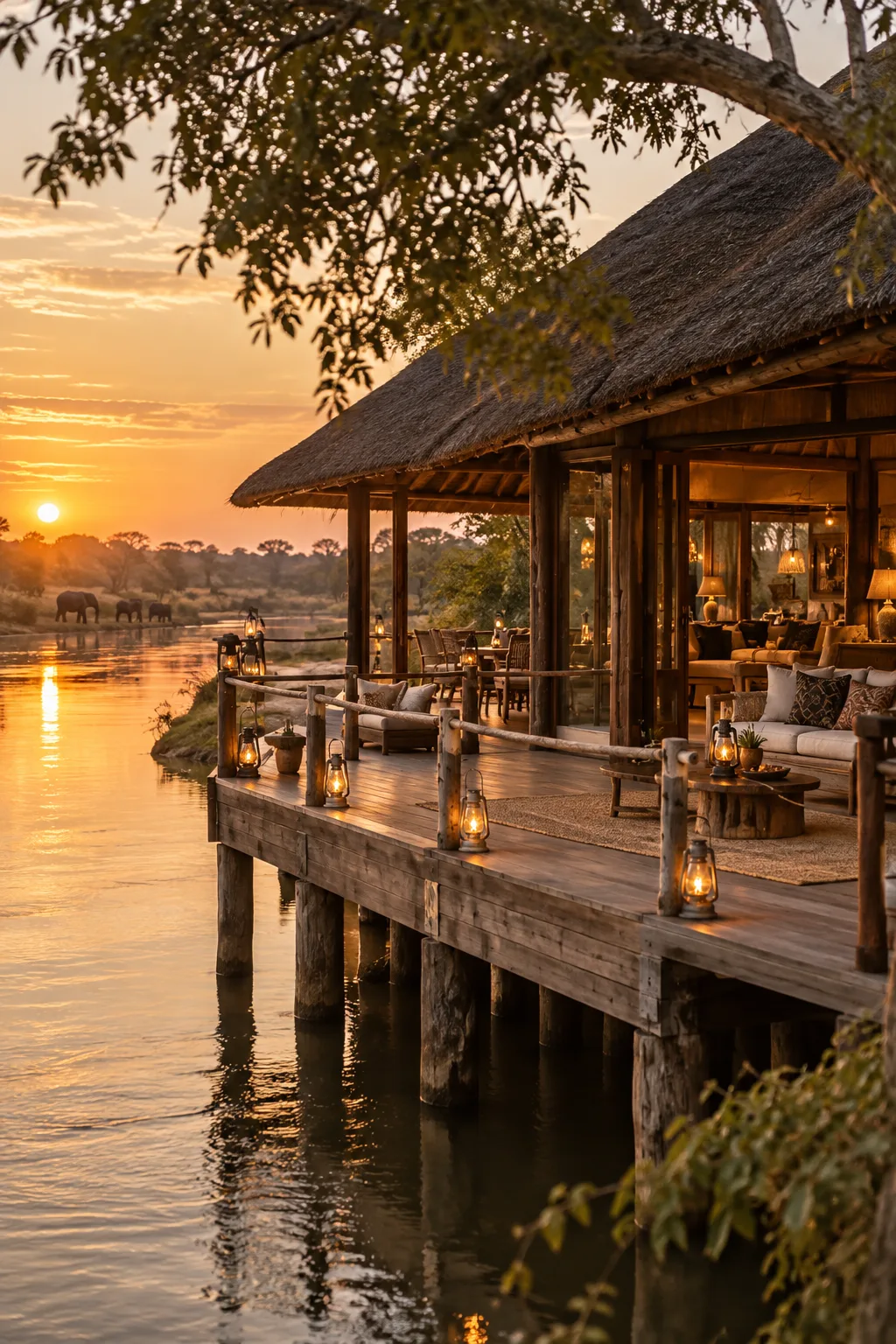
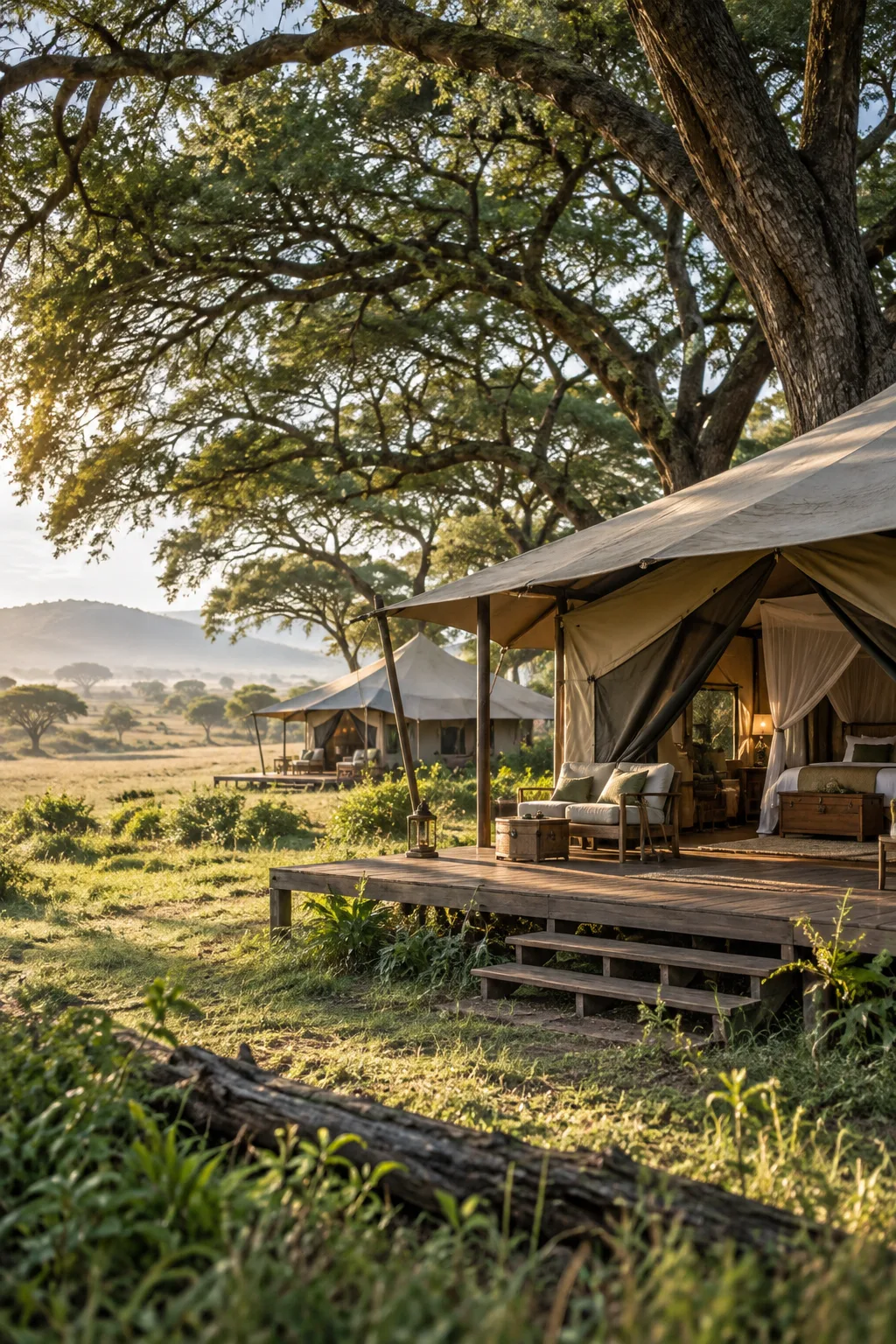
No two places here are alike: some are canvas pitched under fever trees, others are timber decks built out over the water. Most of the day the wildlife comes to you, so a chair on the deck is often the best seat in the reserve, and after dark the river is never quite quiet.

Lodges

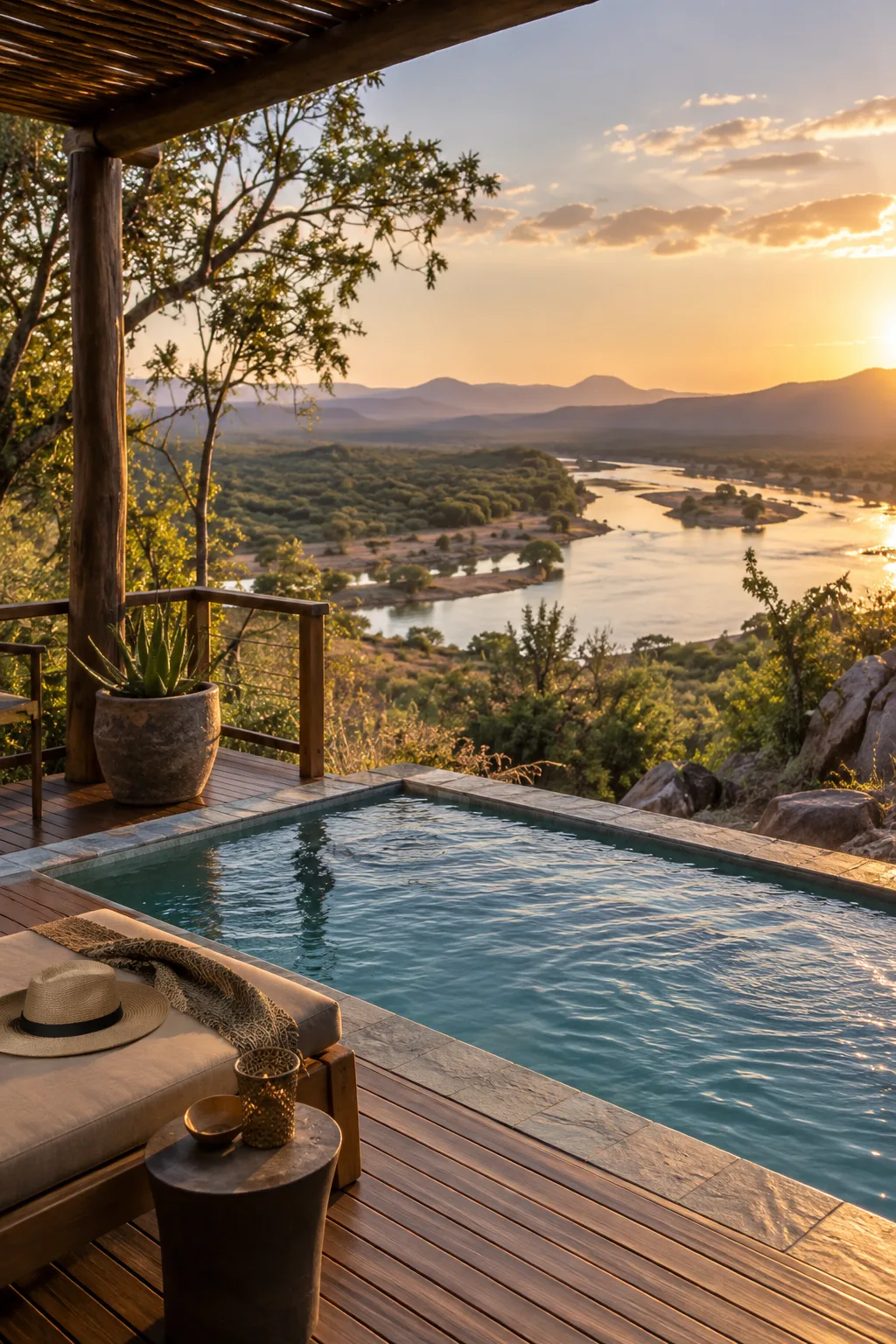
Kingfisher Lodge and Hornbill House stand on the riverbank, each with a handful of wide suites, private decks and a cool plunge pool. Kestrel House is still being built. A day here runs on river time: out at first light, back for a late lunch, out again on foot when the heat breaks.
Kingfisher Lodge

Kingfisher Lodge

Hornbill House

Hornbill House

Kestrel House

Kestrel House

Camps

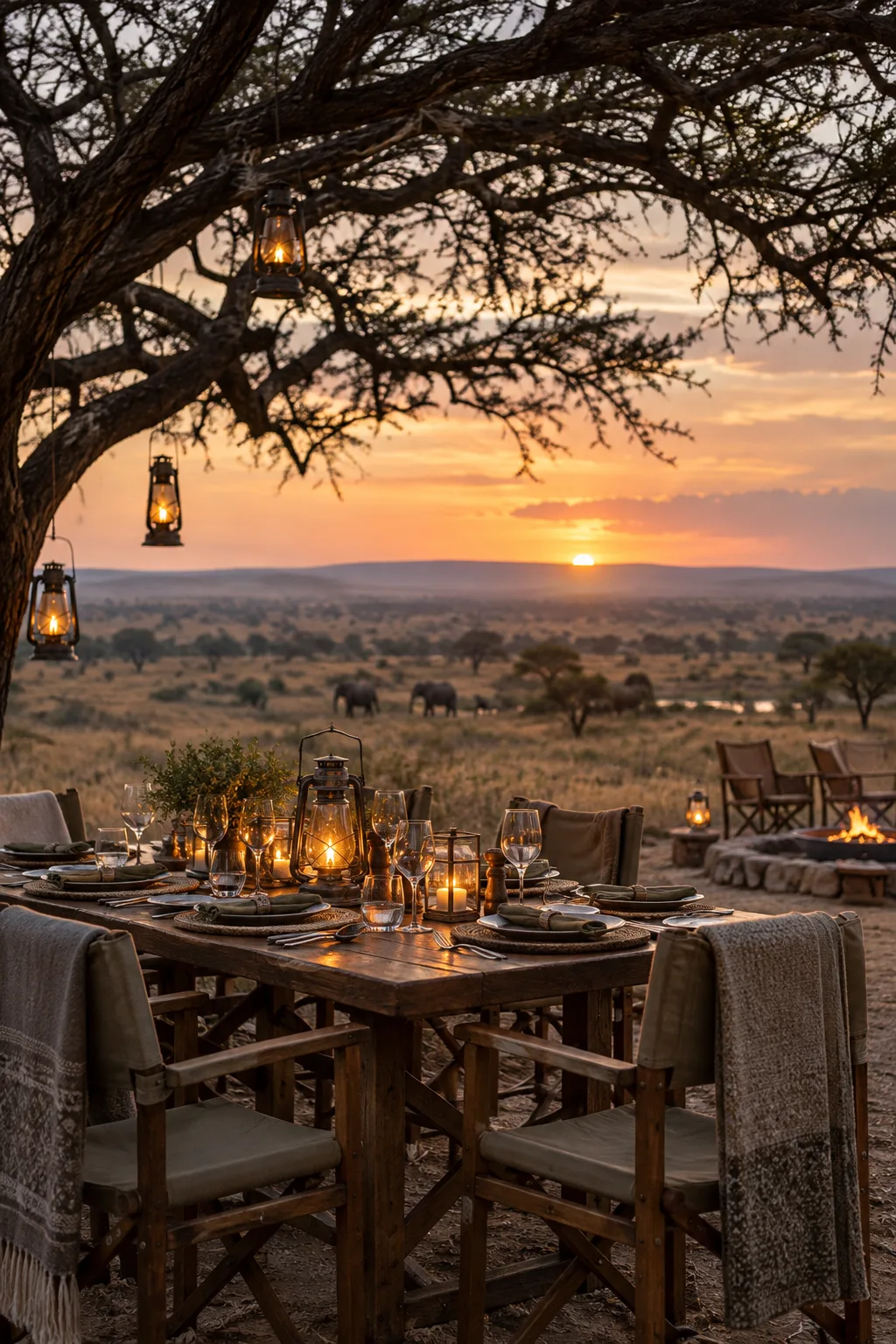
The camps are smaller and simpler. Fever Tree, Marula and the Stone Cottages each have a few tents or rooms, a shared table and an evening fire, all an easy walk from the river.
Fever Tree Camp

Fever Tree Camp

Marula Camp

Marula Camp

Stone Cottages

Stone Cottages

“I have watched rivers all over this continent. None of them gives back what the Nhlaru does, morning after morning, to anyone patient enough to sit still.”

Amara OkoyeWildlife filmmaker

Our story

The reserve began in 1962 as a handshake between two families and the village downstream. That promise, to share the river and keep it whole, still guides every decision we make.
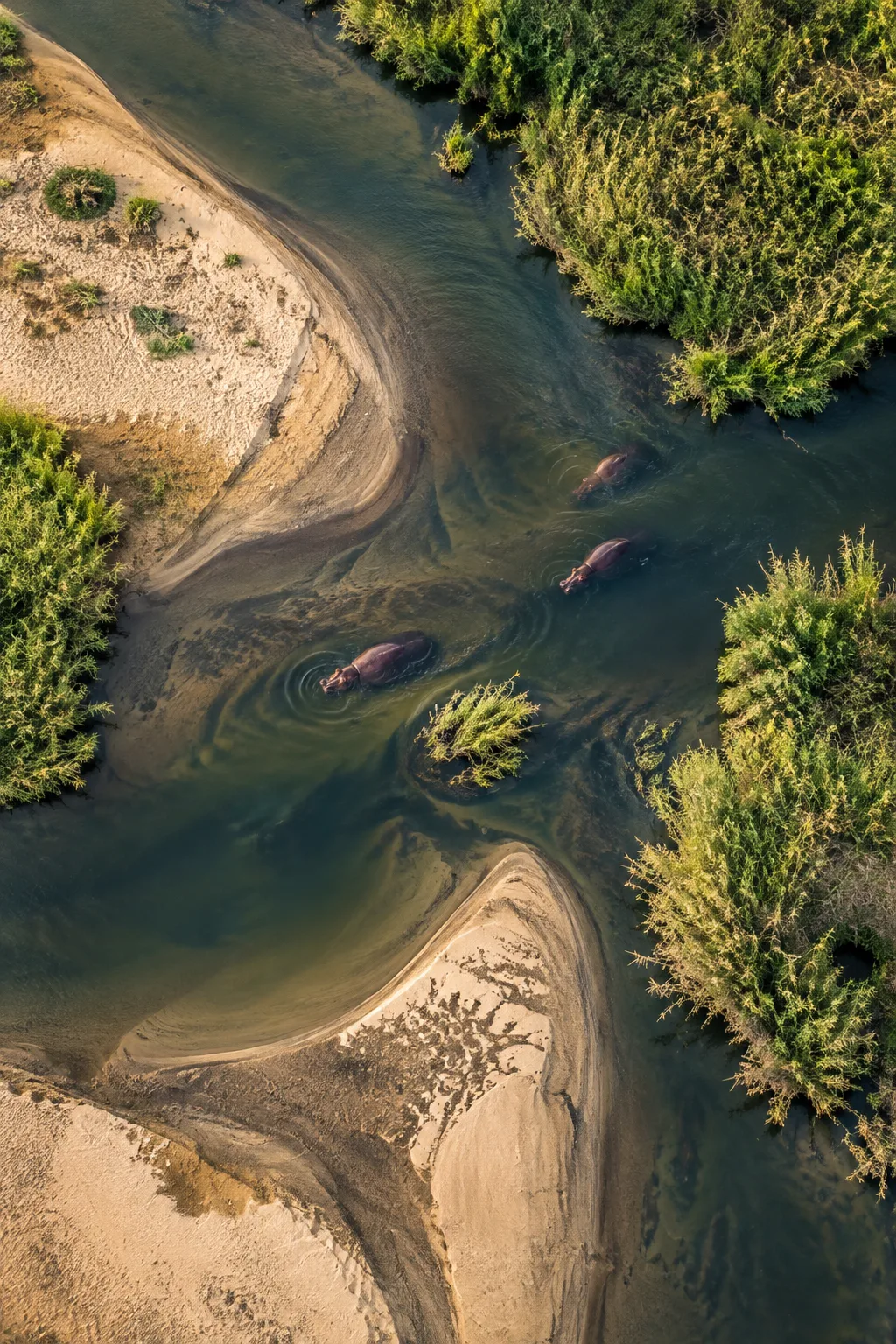
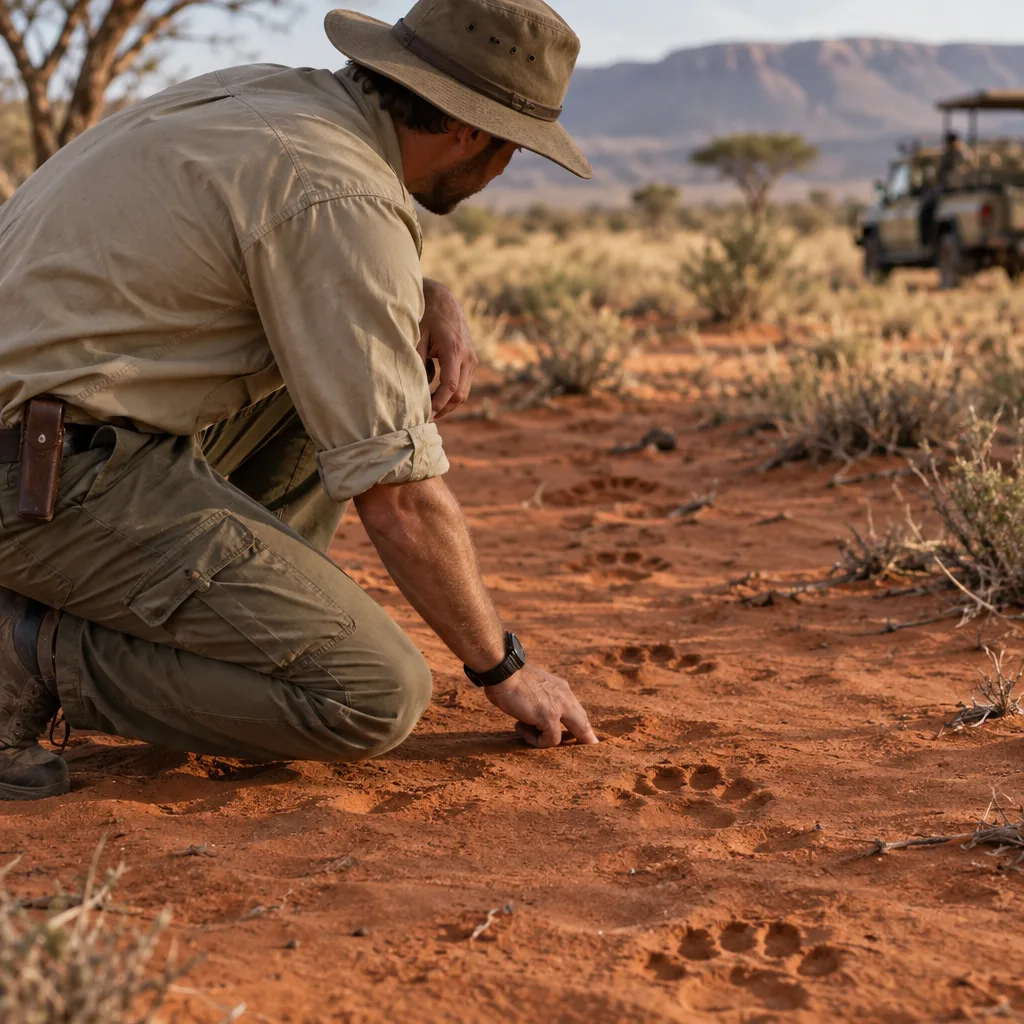
Today the land is held in trust with the community, who protect it and share in what it earns.
Read our story